Shopify Abandoned Cart Recovery: Complete Guide (2026)
Learn how Shopify stores recover more abandoned carts in 2026. Covers identification coverage, Klaviyo flow setup, email optimization, and visitor identification tools.
Learn what visitor identification is, how it works for Shopify stores, and whether it's right for your setup. Covers match rates, tools, Klaviyo integration, and real results.
Identification Rate tells you what percent of shoppers at each funnel event are reachable by email. Learn how to calculate it, why it matters, and how to use it to forecast recovery revenue.
Learn what analytics tools can show, what identification can reveal, and how ecommerce stores can identify more high-intent shoppers responsibly.
Learn how B2B website lead tracking differs from ecommerce visitor identification, customer recognition, and Shopify shopper recovery workflows.
Compare the best website visitor identification software for ecommerce, including tools for anonymous shopper ID, Klaviyo recovery, and B2B lead tracking.
Learn how to identify website visitors, what data you can actually see, and how Shopify stores can turn more anonymous shopping sessions into reachable Klaviyo profiles.
Learn what visitor identification is, how it works for Shopify stores, and whether it's right for your setup. Covers match rates, tools, Klaviyo integration, and real results.
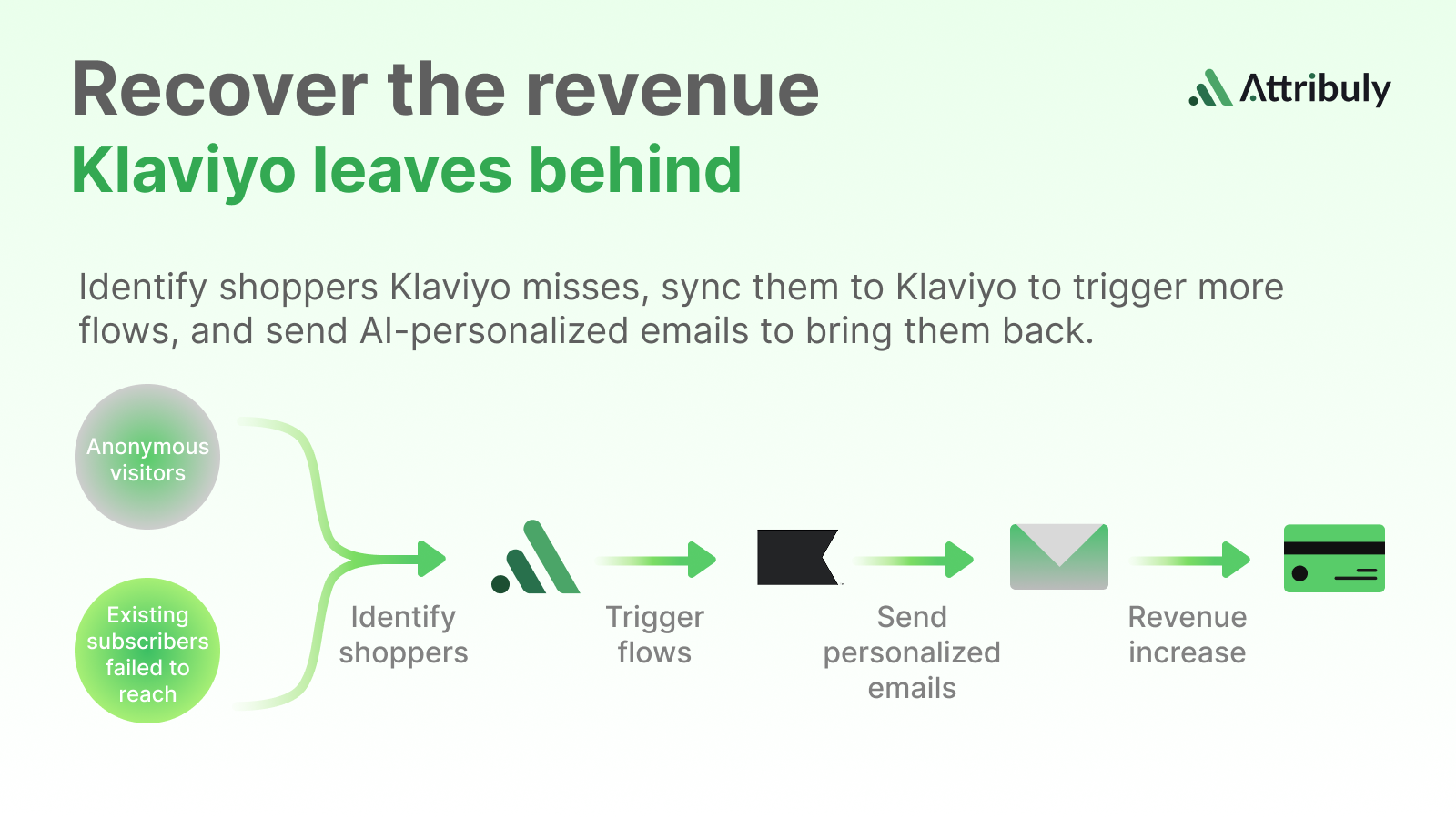
Your Klaviyo list has thousands of subscribers. But when most of them visit your store, Klaviyo can't see them, so your flows never trigger. Here's why, and how to fix it.
Identification Rate tells you what percent of shoppers at each funnel event are reachable by email. Learn how to calculate it, why it matters, and how to use it to forecast recovery revenue.
Set up Attribuly ReCapture with Klaviyo in under 30 minutes. This guide covers Shopify installation, API connection, flow verification, and monitoring your results.
ReCapture recovers revenue from existing Klaviyo subscribers your pixel is missing. Capture identifies new anonymous visitors. Learn the difference and which to start with.
ReCapture identifies existing Klaviyo subscribers whose on-site behavior is invisible to your ESP, so your abandoned cart flows reach more of the people already on your list.
Learn how Shopify stores recover more abandoned carts in 2026. Covers identification coverage, Klaviyo flow setup, email optimization, and visitor identification tools.
The best abandoned cart email subject lines get opened. Here are 50+ real examples, categorized by strategy, with open rate data and what makes each one work.
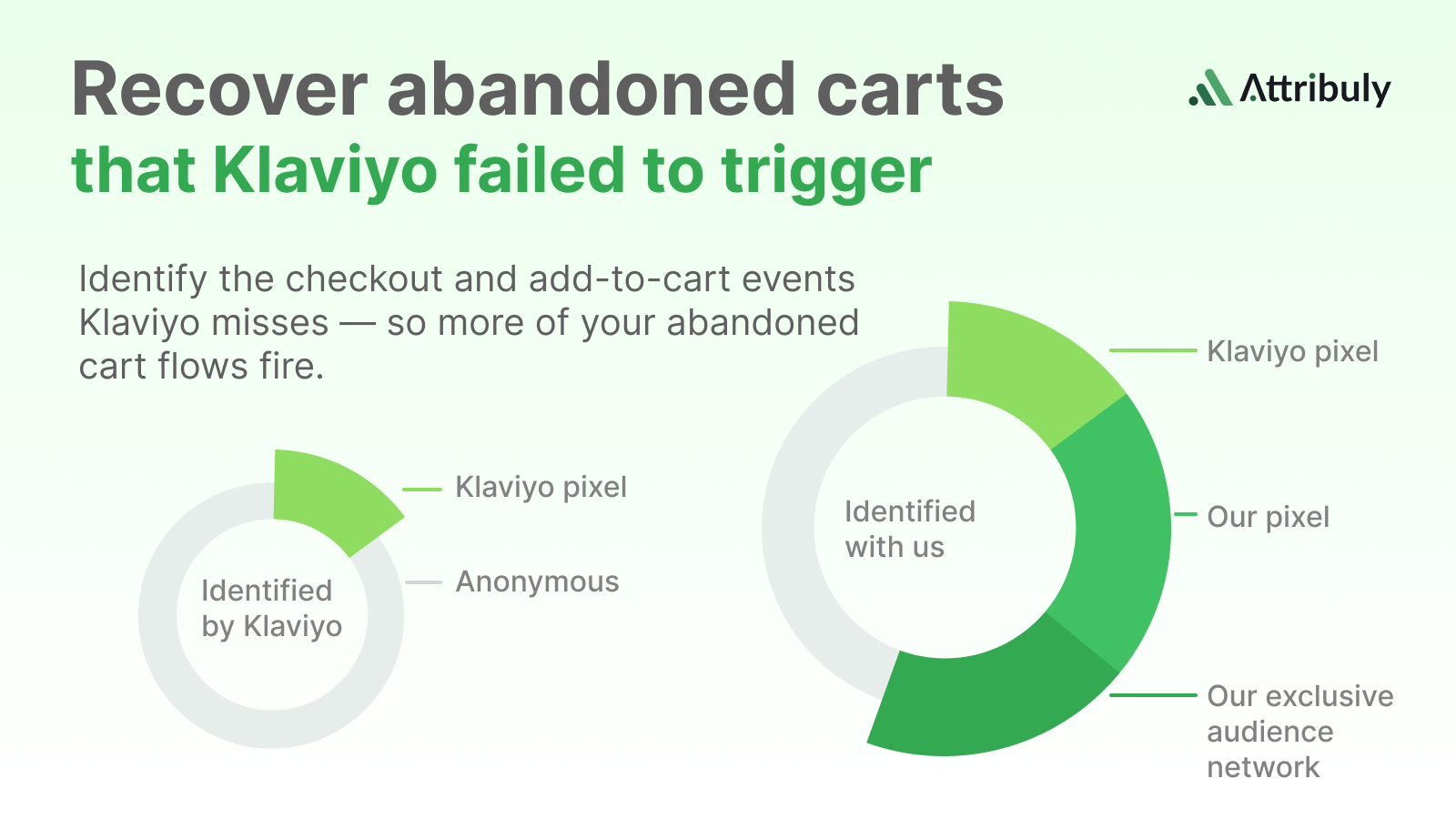
Your Klaviyo abandoned cart flow is working — but it's only reaching about 14% of the people who actually abandoned their cart. Here's what's happening and how to fix it.
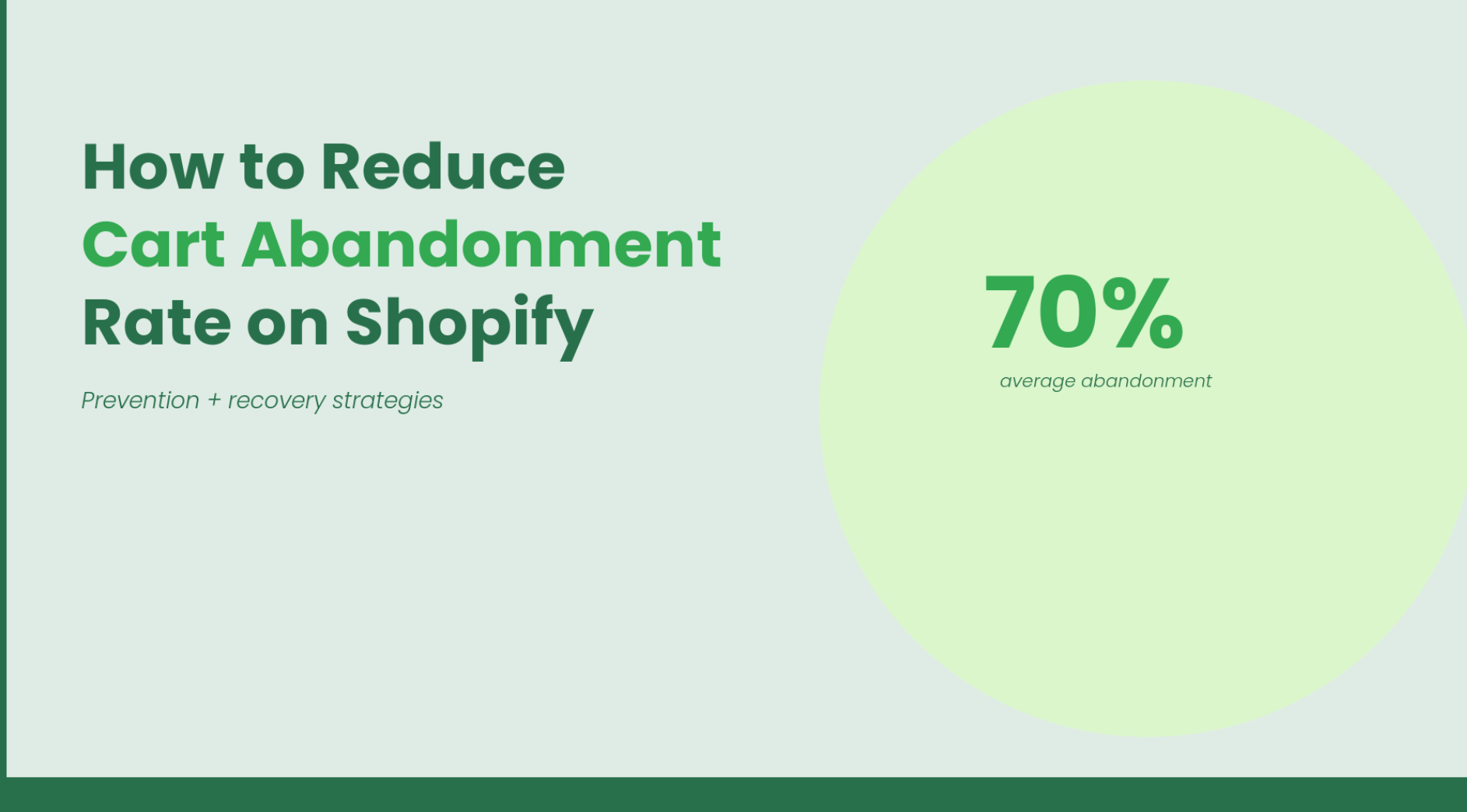
The average cart abandonment rate is 70%. Here are 12 proven tactics Shopify stores use to reduce cart abandonment and recover more of the revenue they're already losing.
Cart abandonment is when a shopper adds products to their cart but leaves without purchasing. Learn what causes it, how much it costs, and what Shopify stores can do about it.
Browse abandonment subject lines are different from cart abandonment subject lines. Here are 30 examples with what works, what to avoid, and how to reach more browse abandoners.
Free abandoned cart email templates for Shopify. Includes 3-email sequences for standard cart abandonment, checkout abandonment, and high-AOV stores — with subject lines, timing, and copy structure.
15 real abandoned cart email examples with analysis of what makes each one work — subject lines, design, copy, CTAs, and timing strategies from top-performing Shopify brands.
The complete abandoned cart email best practices checklist for 2026 — covering flow trigger rate, email timing, subject lines, content, discounting, and deliverability.
How many abandoned cart emails should you send, and when? Here's the timing data for standard cart abandonment, checkout abandonment, and high-AOV products.
Abandoned cart recovery is the process of re-engaging shoppers who add to cart but don't purchase. Learn what it is, what methods exist, and why most stores recover far less than they could.
The average cart abandonment rate is 70-75%. Learn what's driving yours, how to benchmark against your industry, and the two-part strategy to bring it down.
Cart abandonment solutions range from checkout optimization to email automation and visitor identification. Compare the tools and strategies with the highest ROI for Shopify stores.
How to set up and optimize a Shopify abandoned cart email flow in Klaviyo — from initial configuration to advanced optimization and common setup mistakes to avoid.
An effective abandoned cart email strategy addresses three layers: reach, sequence structure, and content. Here's a proven framework for Shopify stores to recover more abandoned cart revenue.
Basket abandonment happens when a shopper adds items to an online basket but leaves without purchasing. Learn what it is, why it happens, and how UK and EU ecommerce stores recover it.
Retention marketing keeps existing customers buying again. Learn what it is, why it matters, and the core strategies DTC and Shopify brands use to build retention systems.
Customer retention determines profitability for DTC brands. Here are 8 proven strategies to improve customer retention on Shopify — from email flows to loyalty programs.
A step-by-step guide to recovering abandoned carts on Shopify — covering flow setup, reach expansion, retargeting, and the most common reason cart recovery underperforms.
Most Shopify store visitors remain completely anonymous. Learn how to identify who is visiting your website, what tools are available, and how to turn anonymous visitors into reachable contacts.
Identity resolution connects anonymous website behavior to known customer profiles. Learn what it is, how it works for ecommerce, and why it's the foundation of personalized retention marketing.
People-based marketing targets specific known individuals instead of demographic segments. Learn how Shopify DTC brands implement identity marketing strategies with first-party data.
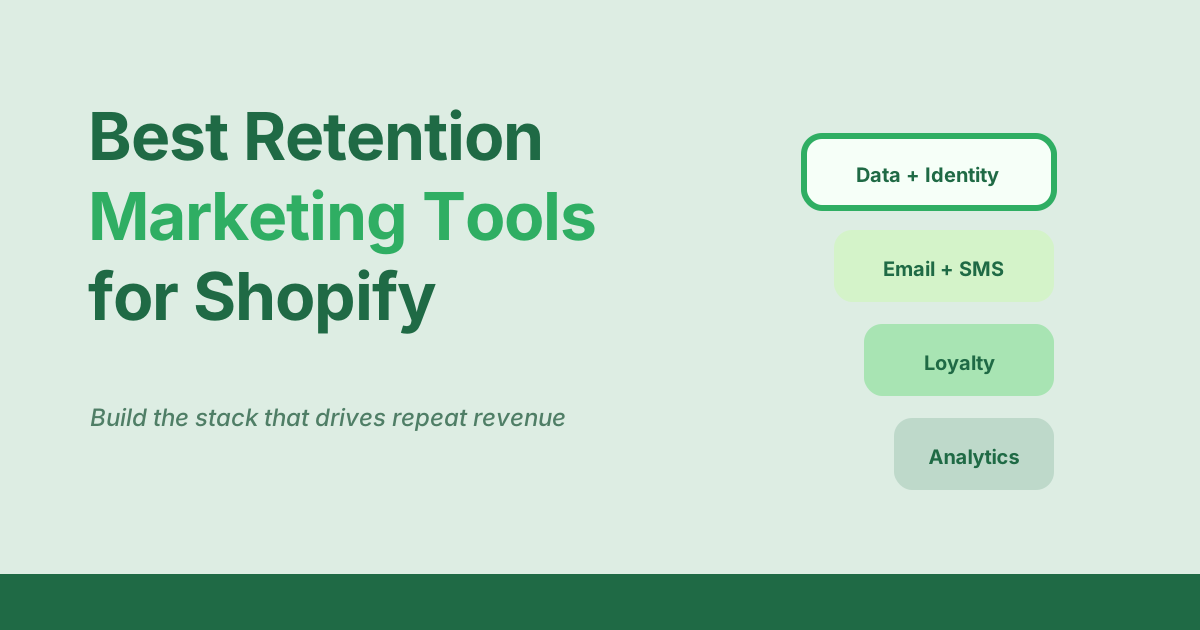
Compare the best retention marketing tools for Shopify stores in 2026 — from identity resolution and abandoned cart recovery to loyalty programs and customer lifecycle email platforms.
Retention-focused DTC brands engage customers fundamentally differently than acquisition-first brands. Learn the key differences in strategy, data, and messaging.
Most website visitors leave without buying and without leaving contact information. Learn the proven methods Shopify stores use to turn anonymous visitors into paying customers.
Email lead generation for ecommerce goes beyond popups. Learn how Shopify stores build high-intent email lists using behavioral identification, checkout capture, and content-based methods.
Website demographics tools reveal who is visiting your site — age, location, industry, and more. Compare the best tools for Shopify stores and B2B sites in 2026.
Learn how abandoned cart email automation actually works in Klaviyo, why flows fail to trigger, and how to fix the behavior data gap without rebuilding your flows.
Abandoned cart email marketing is the highest-ROI channel in ecommerce — but most stores only see a fraction of its potential. Learn what drives results in 2026.
Checkout abandonment and cart abandonment are different events with different causes and different fixes. Learn how to set up separate Klaviyo flows for each.
Klaviyo can only trigger abandoned cart emails when it receives the right behavior data. Learn why up to 85% of shopper behavior never reaches Klaviyo, and how to close the gap.
A high recovery rate doesn't guarantee high recovered revenue. Learn the difference between these two metrics and why most Shopify stores optimize the wrong one.
A complete checklist for setting up Shopify email abandoned cart recovery in 2026 — from checkout configuration to Klaviyo flow structure to behavior data completeness.
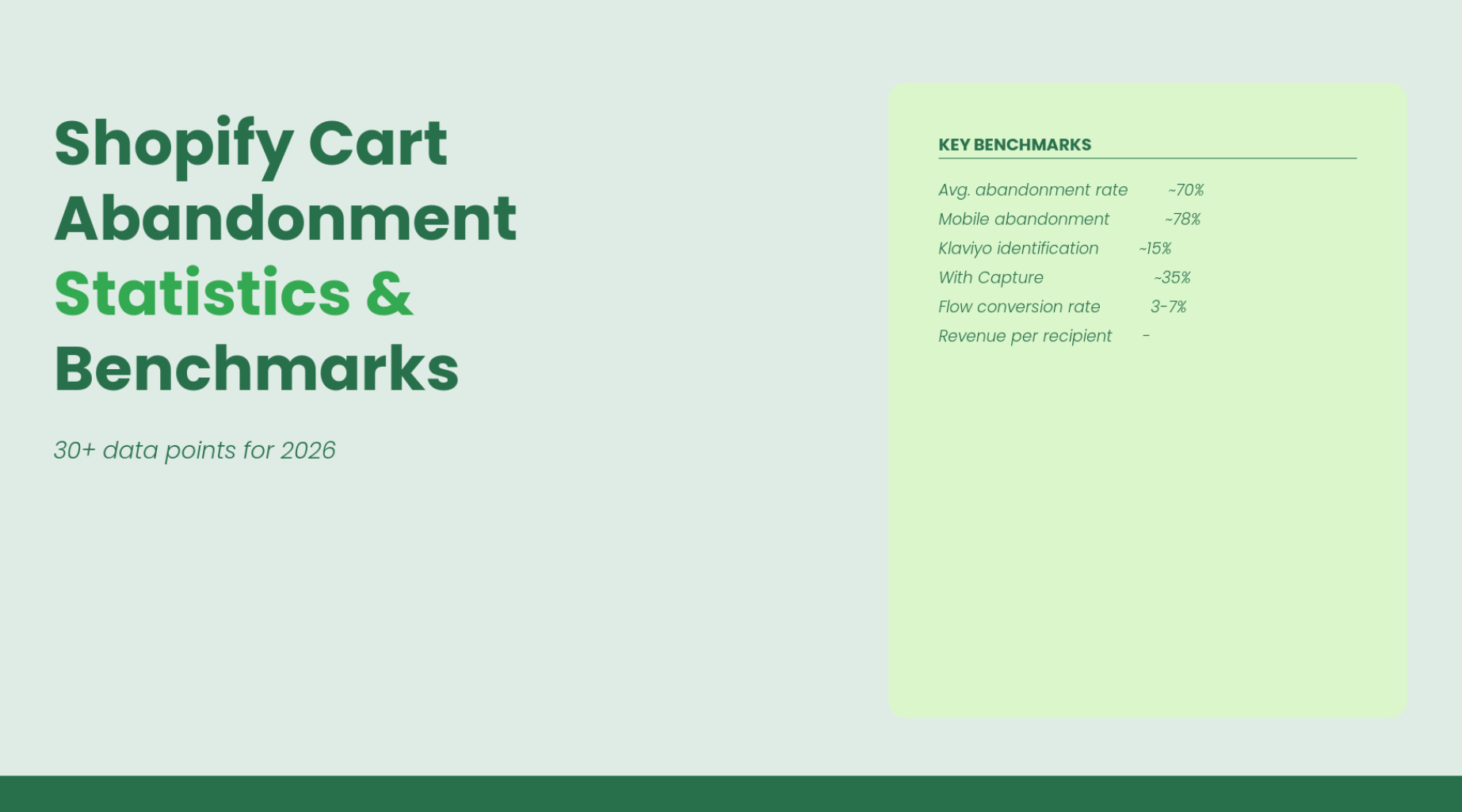
Beyond the standard 70% abandonment rate, this data deep-dive covers email reach, Klaviyo flow trigger rates, and the data gap most abandoned cart statistics ignore.
Opensend identifies anonymous visitors. Klaviyo native flows send the emails. Learn what each actually solves, where the gap remains, and how to close it.
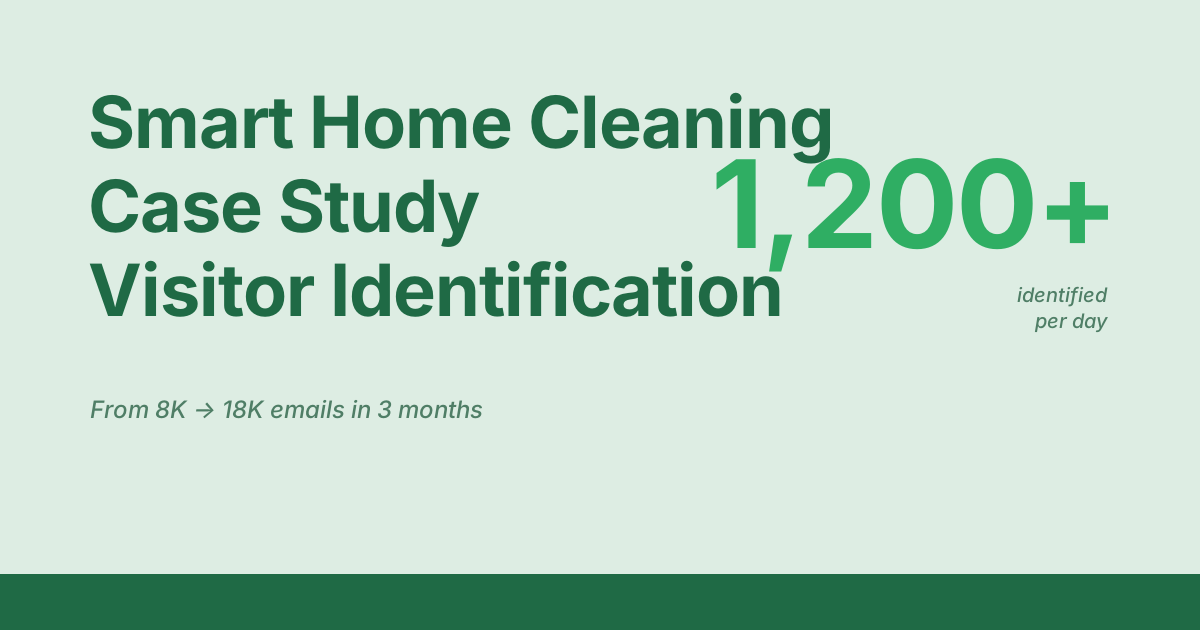
A DTC robot vacuum brand used visitor identification to capture 1,200+ anonymous shoppers per day, grow their Klaviyo email list from 8K to 18K, and reduce retargeting CPA by 38%.
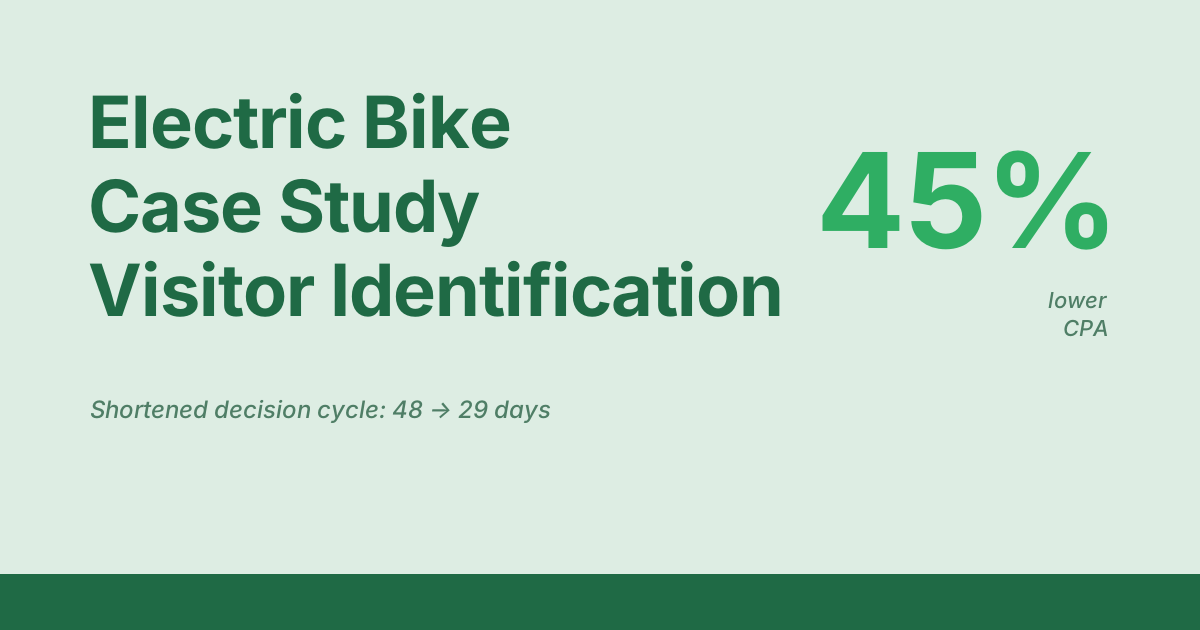
A DTC e-bike brand ($1,299–$1,999) used visitor identification to capture 2,800+ anonymous shoppers monthly, enroll them into Klaviyo flows, reduce CPA by 45%, and shorten purchase decisions by 40%.
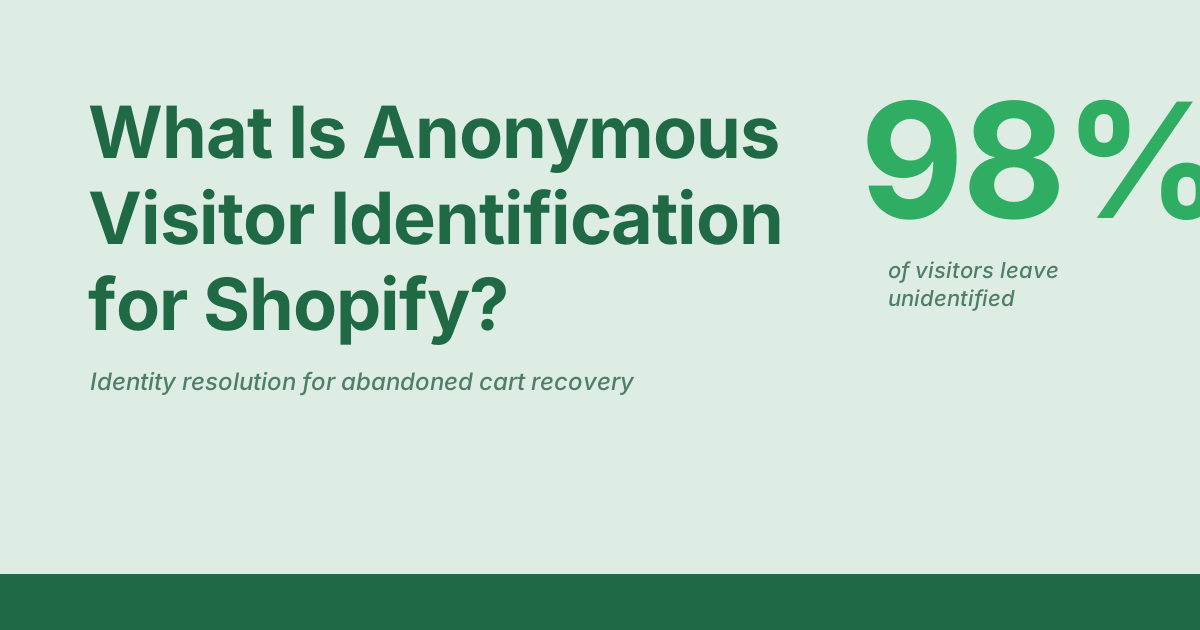
Prime Day will spike your Shopify traffic. But 98% of visitors will leave anonymous. Learn how visitor identification recovers the ad spend you'd otherwise lose — plus a limited-time Capture promotion.
Cart abandonment gets all the attention. But browse abandonment — shoppers who view products without adding to cart — is 10-20× larger. Learn how to identify and recover them.
Acquiring a new customer costs 5-7× more than retaining one. Learn how Shopify DTC brands build repeat purchase flows, loyalty triggers, and post-purchase sequences that grow customer lifetime value.
Set up Attribuly Capture and connect it to Klaviyo in less than 30 minutes. This step-by-step guide covers installation, Klaviyo integration, flow configuration, and monitoring.
BFCM is the highest-traffic week of the year — and the highest-abandonment week. Prepare your Shopify cart recovery now with visitor identification, Klaviyo flow optimization, and server-side tracking.
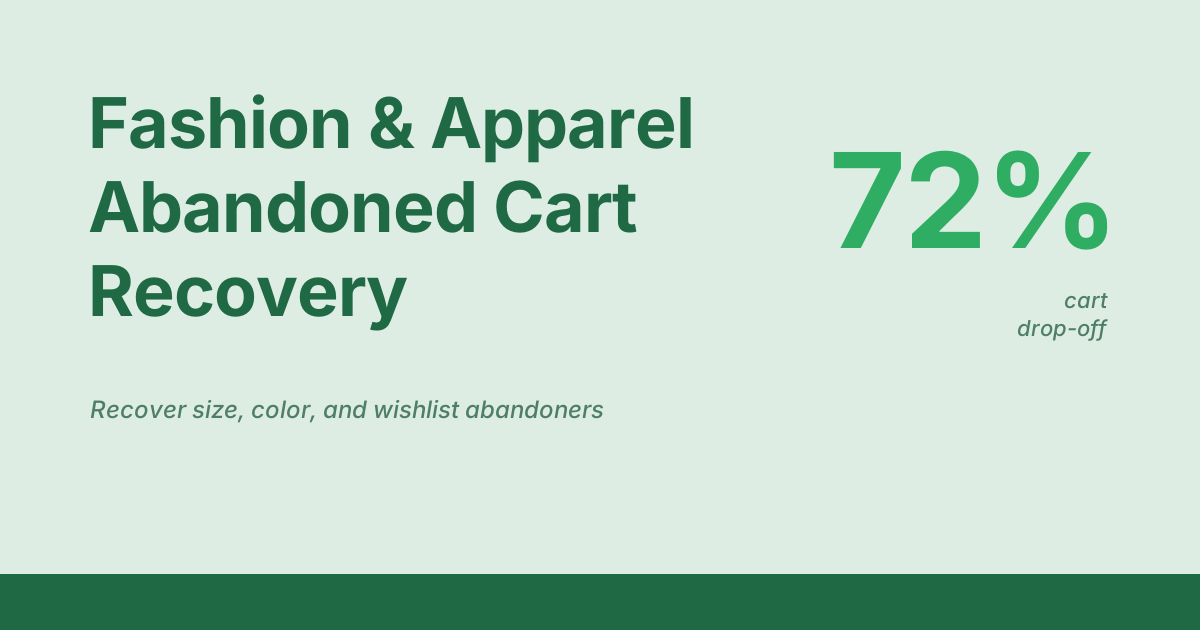
Fashion has unique abandonment patterns — size uncertainty, color comparison, multi-item carts. Learn how fashion Shopify brands recover more abandoned carts with identification and tailored flows.
Evaluating visitor identification tools for your Shopify store? This buyer's guide covers what to look for, how to compare vendors, what to expect, and which questions to ask before committing.

Instant.one combines visitor identification with AI-generated emails and positions itself as a Klaviyo replacement. If you want similar capabilities without leaving Klaviyo — or need additional features like server-side tracking — here are the alternatives worth evaluating.

Customers.ai emphasizes identification accuracy and Klaviyo deliverability. If you need capabilities beyond identification — like AI email recovery, server-side tracking, or conversion signal enrichment — here are the alternatives.

Popups are the default email capture method for Shopify stores. But they only convert 2-5% of visitors. Here are the methods that grow your list faster — including some that work on visitors who never interact with a popup at all.

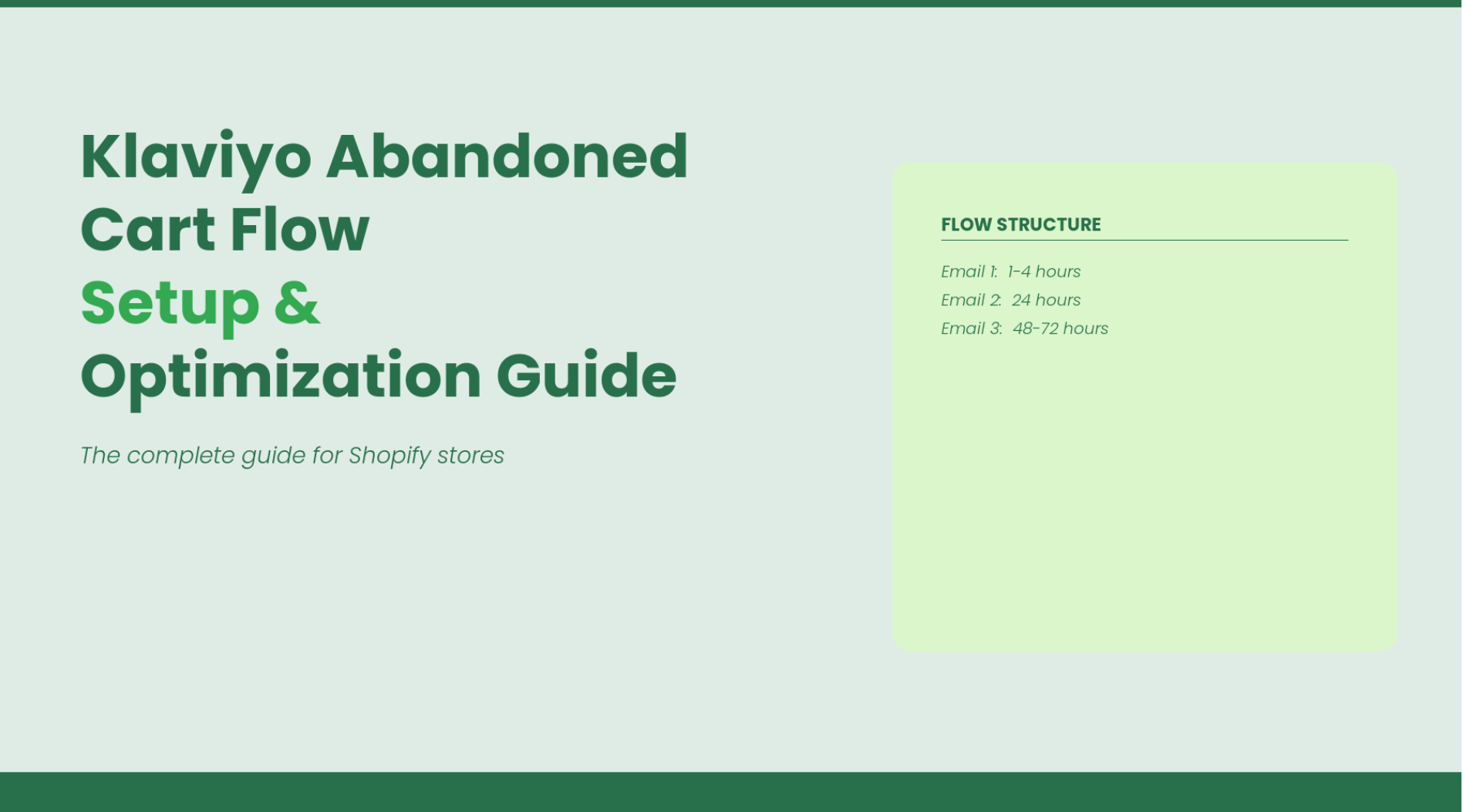
Your Klaviyo abandoned cart flow is likely your highest-revenue email automation. This guide covers setup, timing, content, and how to expand its reach beyond the shoppers Klaviyo can natively identify.

Most Shopify stores recover less than 5% of abandoned carts. The right apps can double or triple that number — not by sending better emails, but by reaching more abandoners in the first place.

The average Shopify cart abandonment rate is approximately 70%. Some abandonment is inevitable — but much of it is preventable, and most of what remains is recoverable.

A recovered $20 order and a recovered $200 order require different recovery strategies. Here is why high-AOV Shopify stores need a specialized approach — and what to do about it.

30+ data points on cart abandonment rates, recovery benchmarks, and identification coverage — compiled for Shopify and DTC brands making decisions about their recovery strategy in 2026.

A Shopify consumer healthcare brand used visitor identification to capture over 20,000 anonymous shoppers, dramatically increase email engagement, and drive measurable revenue growth — all within three months.
Most Shopify stores recover fewer than 5% of abandoned carts through Klaviyo. The problem is usually not the emails — it is how many shoppers the emails can reach.

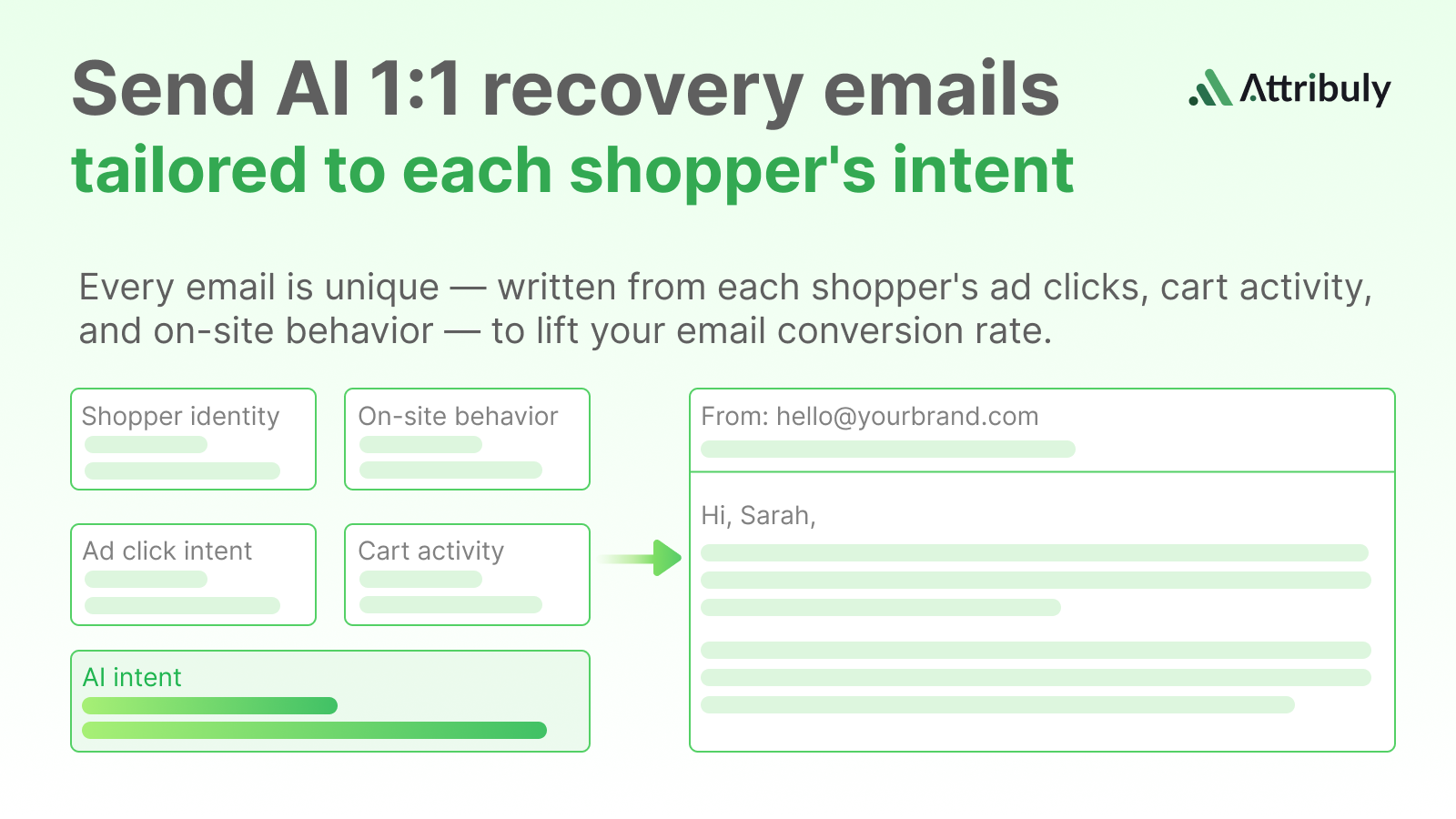
Standard abandoned cart emails send the same message to every shopper. AI email recovery generates a different email for each person based on what they did on your store.
Retention marketing is how Shopify stores recover lost shoppers, grow email revenue, and turn one-time buyers into repeat customers — without spending more on ads.
Opensend identifies anonymous website visitors for ecommerce stores. But depending on what you need beyond identification, there may be a better fit. This guide compares the top alternatives.

Brand T did not rewrite their Klaviyo flows. They did not redesign their emails. They simply identified more shoppers — and let their existing recovery system do the rest.

Klaviyo's abandoned cart flow is one of the most effective email automations in ecommerce. But it only works for shoppers Klaviyo can identify. Here is how to recover more.
Anonymous visitor identification helps Shopify stores match unknown website visitors to email addresses — so more shoppers can enter recovery flows and retargeting audiences.
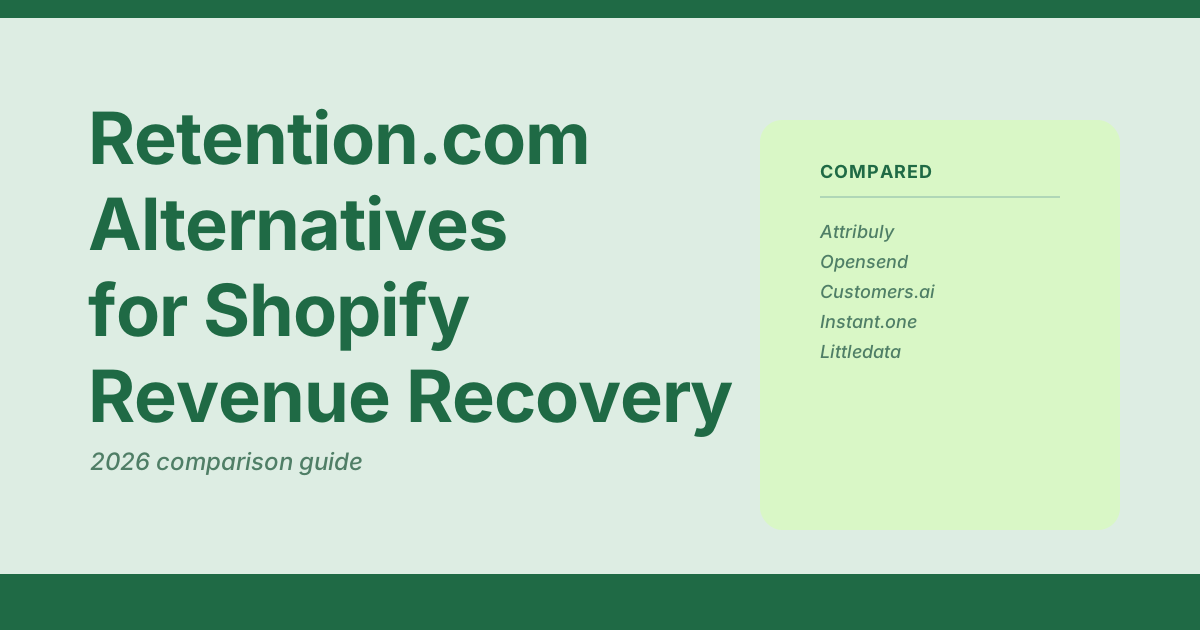
Compare visitor identification and revenue recovery tools for Shopify stores — including what Retention.com does well, where it falls short, and what other options exist.

Learn why Klaviyo can only send recovery emails to about 15% of cart abandoners, what causes the gap, and how Shopify stores can identify and recover more lost shoppers.

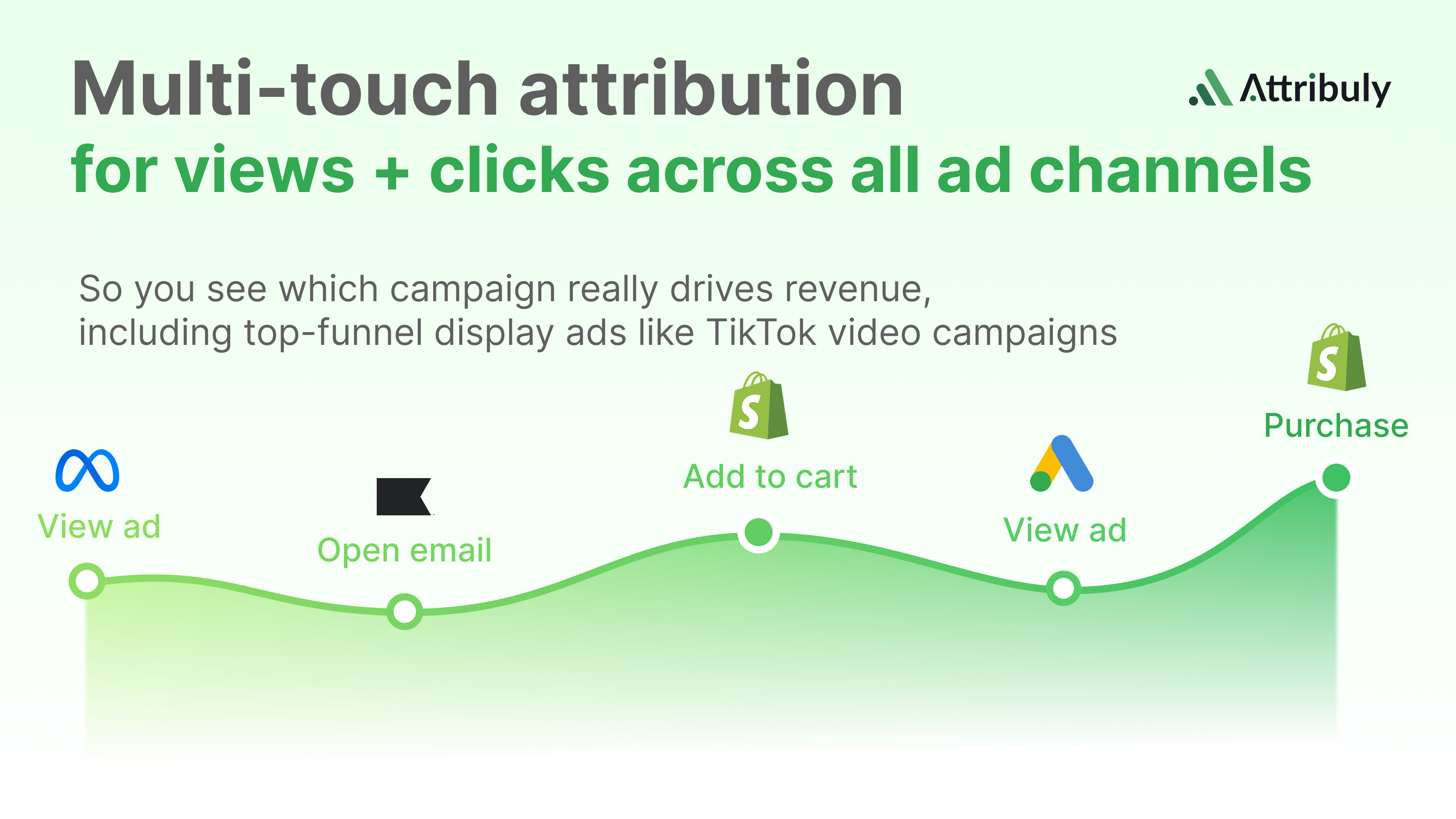
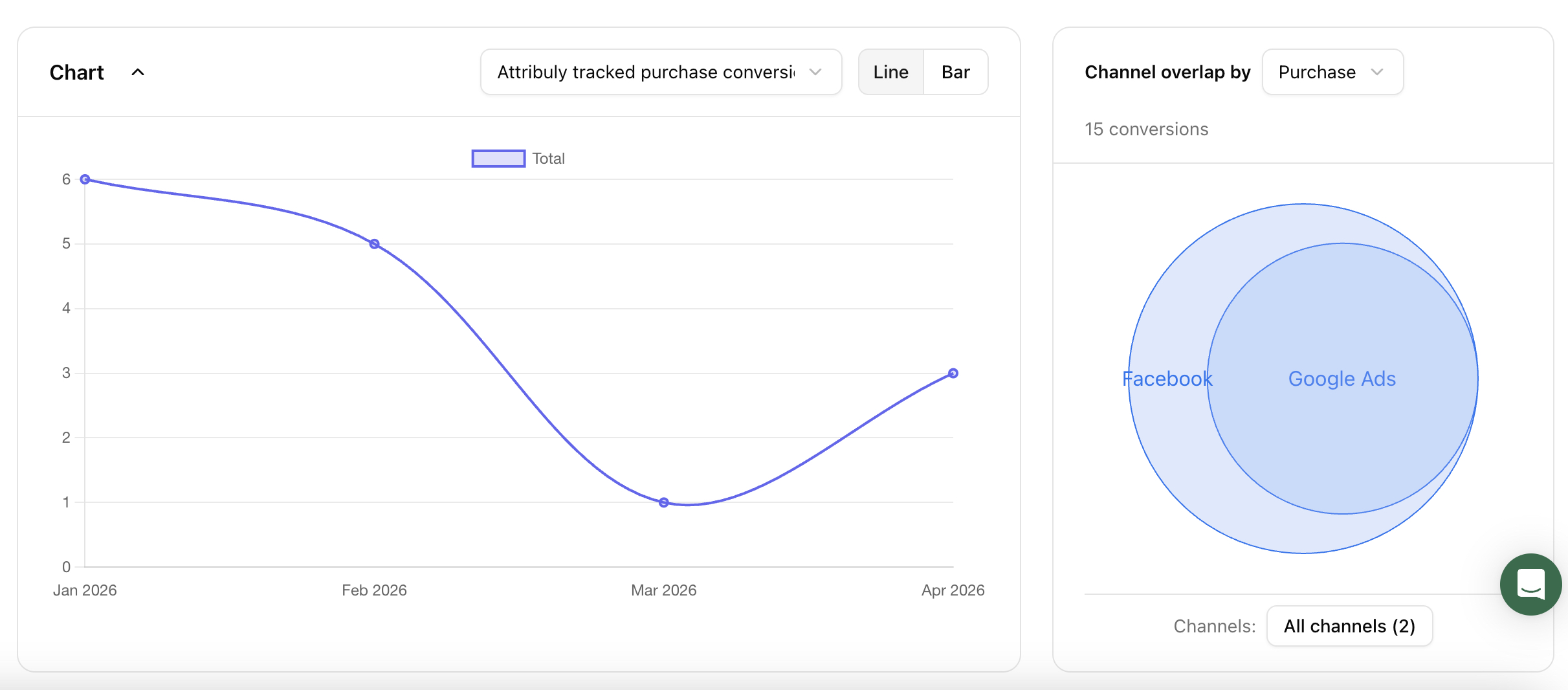
Multi-touch attribution helps you compare channels and campaigns fairly across the full customer journey. Learn how to break down performance, stress-test attribution models, and avoid last-click budget mistakes.

GA4 is great for behavioral analytics. Attribuly is built for ecommerce marketing ROI and budget decisions. Learn the differences, and when Web Analysis and Full Impact attribution matter.

Ad platform metrics explain what happened on-platform. Goal-based attribution reporting helps you compare campaigns, ad sets, and ads by conversions and conversion value—under a consistent attribution model and primary goal.

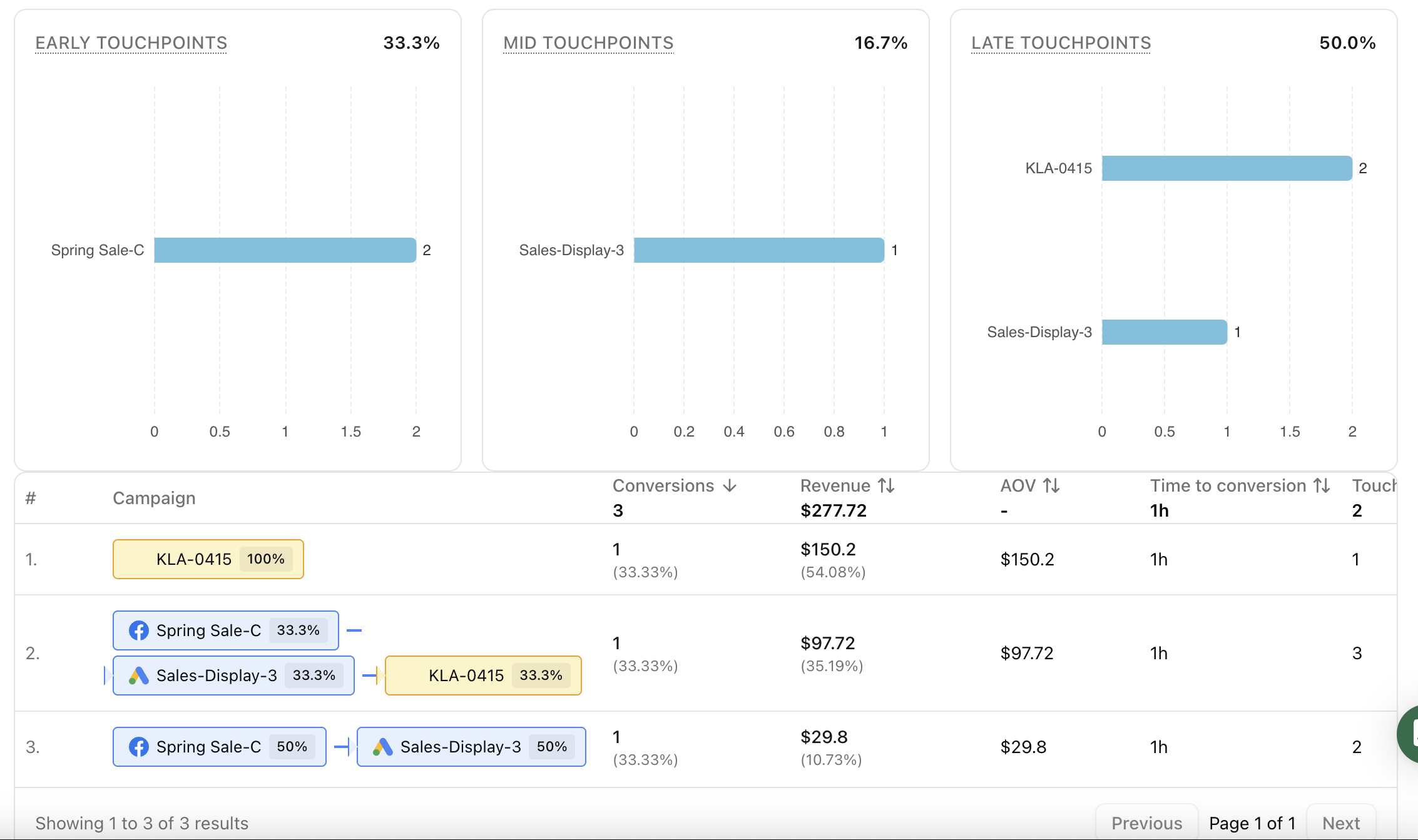
Conversion path analysis shows how channels and campaigns work together across touchpoints. Learn how to interpret paths, time to conversion, touch points count, AOV, and Sankey flows for better budget decisions.

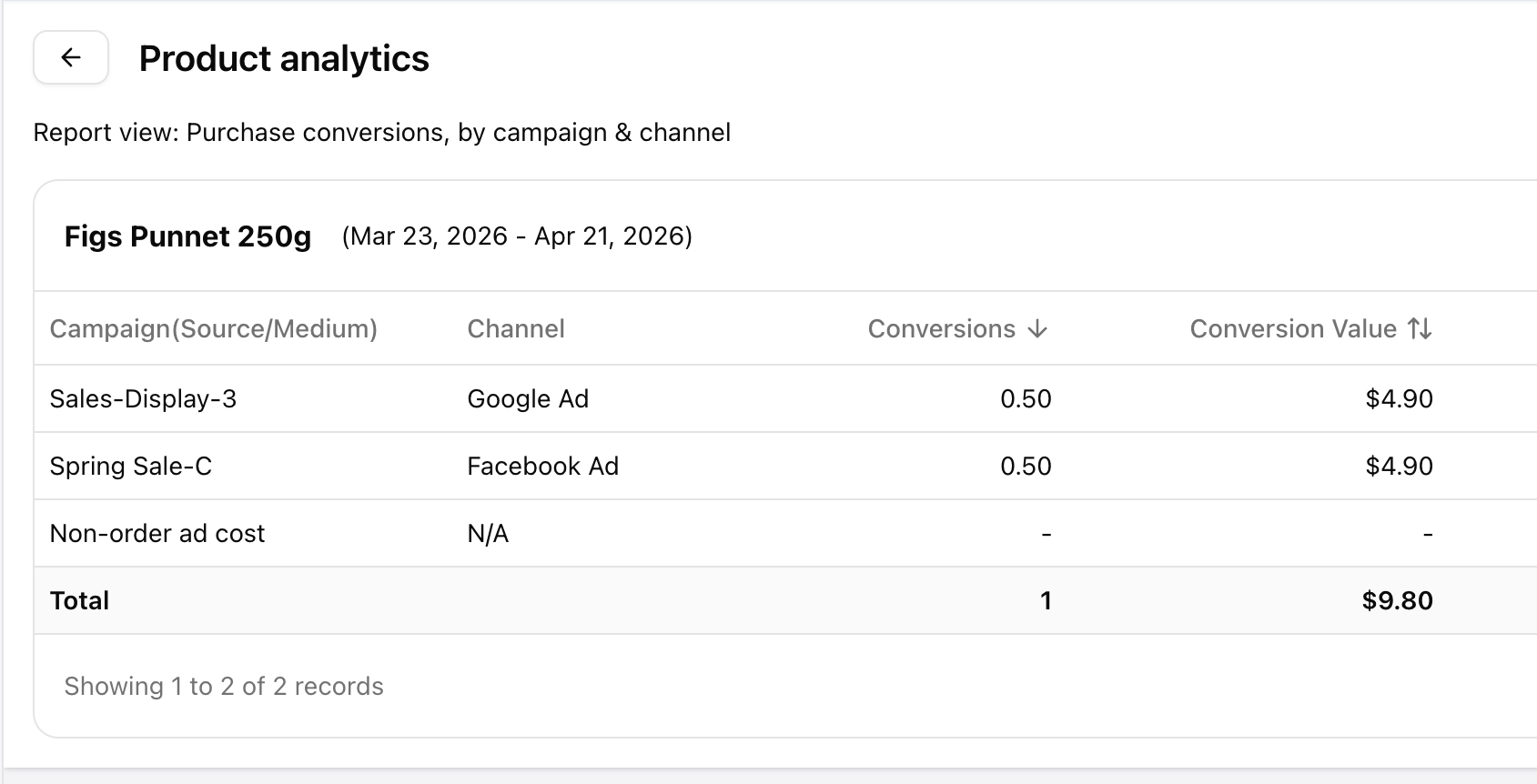
Use product analytics to diagnose where shoppers drop off: product views, add to cart, checkout stages, purchases, revenue, CPA, ROAS, and new customer ROAS. Turn product performance data into actions.

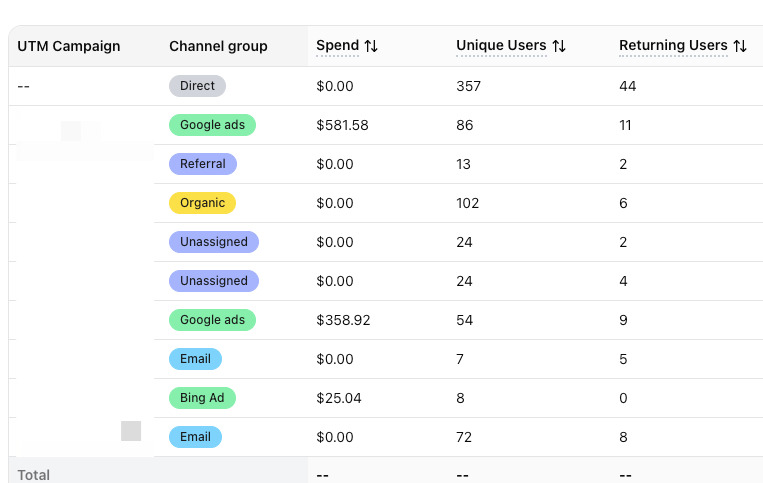
Learn a practical web analytics framework to diagnose performance using spend, unique users, engagement rate, add to cart, purchases, and revenue—then decide what to fix before changing budget.

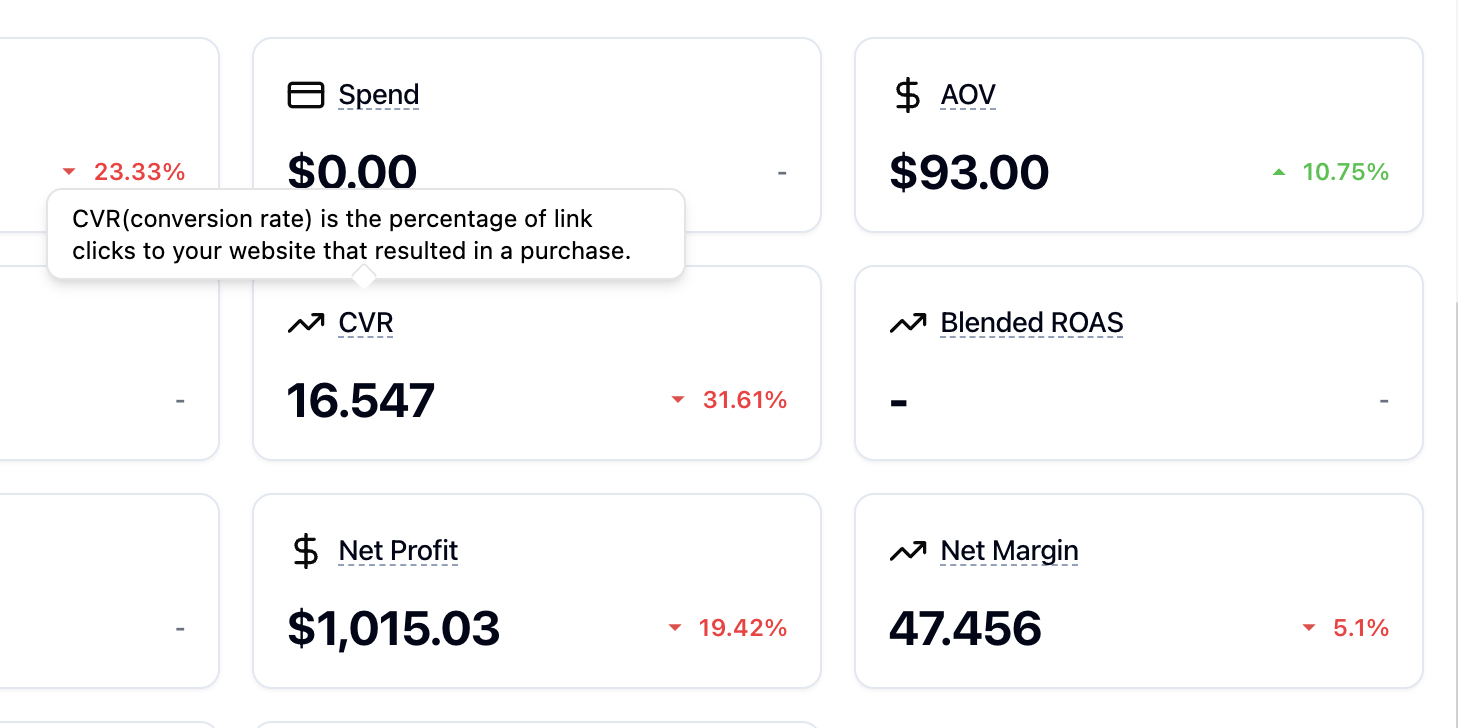
A plain-English dictionary of attribution metrics, including ROAS, CPA, conversion value, CPM, CPC, CTR, CVR, and more—plus how to interpret them without comparing apples to oranges.