
How a DTC Hearing Aid Brand Grew Sales Nearly 20% with Visitor Identification
A Shopify consumer healthcare brand used visitor identification to capture over 20,000 anonymous shoppers, dramatically increase email engagement, and drive measurable revenue growth — all within three months.
Related articles
TL;DR
- Brand V is a DTC hearing aid brand selling FDA-registered OTC devices on Shopify, priced between $197 and $699.
- Because hearing aids are classified as medical devices, Brand V cannot run Meta (Facebook/Instagram) ads. Customer acquisition relies on Google Ads, Bing Ads, and organic search.
- Before using visitor identification, the vast majority of website visitors left without being identified. Most could not be reached with recovery emails or retargeting.
- After activating Attribuly Capture, Brand V identified over 20,000 anonymous shoppers within three months. Sales grew nearly 20% year-over-year, and key conversion events increased significantly across the board.
Brand background
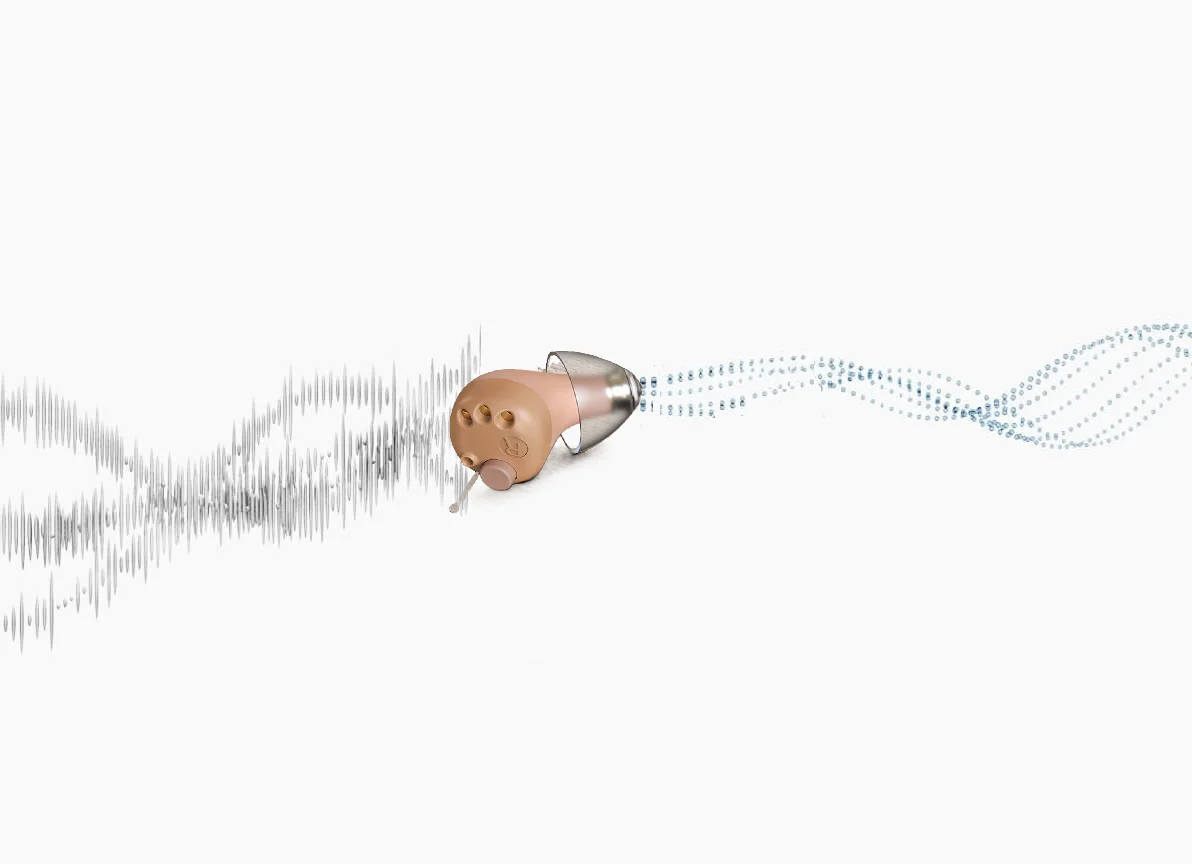
Brand V is a consumer healthcare company that sells FDA-registered over-the-counter (OTC) hearing aids directly to consumers through its Shopify store.
The brand offers behind-the-ear, in-the-ear, and Bluetooth-enabled hearing aid models. Prices range from $197 to $699 — significantly lower than traditional audiology clinic pricing, which can exceed $3,000–$5,000 per pair.
Brand V sells across Amazon and Shopify, reaching over 100,000 satisfied customers in the United States.
Industry constraint: Hearing aids are classified as medical devices under FDA regulations. Meta (Facebook and Instagram) restricts advertising for medical devices, which means Brand V cannot use Meta Ads for customer acquisition. The brand relies primarily on Google Ads, Bing Ads, organic search, and word-of-mouth referrals.
This constraint makes every website visit more valuable — and makes the inability to re-engage anonymous visitors more costly.
The problem: high-intent visitors disappearing permanently
Before activating Capture, Brand V faced three interconnected growth bottlenecks.
Problem 1: Anonymous visitors with high purchase intent
Many visitors arrived through Google or Bing searches for terms like "hearing aids," "OTC hearing aids," or "affordable hearing aids." These shoppers browsed product pages, compared specifications, and some even completed Brand V's online hearing assessment.
But the vast majority left without purchasing — and without leaving an email address. Brand V had no way to follow up.
For a product category with a longer decision cycle (hearing aids are a considered purchase, not an impulse buy), the inability to re-engage these high-intent visitors meant significant revenue was permanently lost.
Problem 2: Abandoned carts could not be recovered
Some visitors added hearing aids to their cart or started the checkout process but did not complete the purchase. Without an identified email address, these shoppers could not enter Klaviyo's abandoned cart recovery flow.
Brand V's email list grew only through a passive signup form at the bottom of the website — a low-conversion capture method that added contacts slowly.
Problem 3: Limited retargeting audience
Without Meta Ads as a retargeting channel, Brand V depended on Google Ads retargeting. But the retargeting audience pool was limited to the small fraction of visitors whose data could be captured through standard tracking.
Google and Bing ad budgets were generating clicks, but the long-term value of those clicks was not being fully captured.
The solution: Visitor identification with Attribuly Capture
Brand V subscribed to Attribuly and activated the Capture feature with a one-year commitment.
How Capture worked for Brand V
- Behavior detection: Capture monitors visitor behavior signals — time on site, product page views, add-to-cart events, checkout starts, and product saves.
- Identity matching: When a visitor shows high-intent behavior, Capture matches the session to a known email address using Attribuly's first-party identity network.
- Contact delivery: Identified email addresses are automatically synced to Klaviyo (for abandoned cart and marketing email flows) and Google Ads (for retargeting audiences).
Why Capture was especially valuable for Brand V
| Challenge | Why it matters more for hearing aid DTC | How Capture helped |
|---|---|---|
| No Meta Ads | Cannot retarget on Facebook/Instagram — the largest retargeting channel for most DTC brands | Capture identified shoppers for Google Ads retargeting and Klaviyo email flows, compensating for the missing Meta channel |
| High AOV ($197–$699) | Each recovered order is worth significantly more than typical DTC products | Even a small number of recovered purchases generated meaningful revenue |
| Long decision cycle | Hearing aids are a considered purchase — shoppers research over days or weeks | Capture enabled email nurture sequences that kept Brand V top-of-mind during the decision process |
| Search-driven traffic | Visitors arrive with high intent (they searched for hearing aids) | Capture identified these high-intent visitors before they left, making the most of expensive search ad clicks |
Results: three months after activation
After activating Capture, Brand V saw significant improvements across all key metrics within three months.
Growth metrics
| Metric | Change (year-over-year) |
|---|---|
| Total sales | +~20% |
| Add to cart events | +~130% |
| Checkout starts | +~115% |
| Payment info submissions | +~40% |
| Email engagement | Increased dramatically |
| Enriched leads from Capture | 20,000+ |
What these numbers mean
Sales grew nearly 20% year-over-year. While multiple factors contribute to overall sales growth, the expanded email audience and improved retargeting from Capture played a meaningful role in this increase.
Add-to-cart events more than doubled (+~130%). This suggests that more shoppers were being driven back to the store through email recovery flows and retargeting — visitors who would have previously been lost after their first session.
Checkout starts increased over 115%. More identified shoppers entering recovery flows means more shoppers returning to complete their purchase journey.
Over 20,000 anonymous shoppers were identified. These contacts entered Klaviyo flows and Google Ads retargeting audiences — creating a growing asset of reachable, high-intent shoppers that Brand V can continue to market to over time.
What made this work
1. The product category favored identification
Hearing aid shoppers typically do not impulse-buy. They research, compare, and consider over days or weeks. This means an identified email address has a longer window of value — even if the shopper does not purchase on the first email, they may convert weeks later after receiving educational content, comparison guides, or a limited-time offer.
2. Search ad traffic was already high-intent
Unlike social media browsers, visitors arriving through Google and Bing searches for "hearing aids" or "OTC hearing aids" had explicit purchase intent. Capture identified these high-intent visitors, making the identification pool more valuable than it might be for brands with primarily social traffic.
3. No Meta Ads made email more critical
For most DTC brands, Meta Ads provide a retargeting safety net — even if a visitor leaves without buying, Meta can show them ads again. Brand V did not have this option. This made email the primary re-engagement channel, and Capture's ability to grow the email list from anonymous visitors was correspondingly more impactful.
4. High AOV justified the investment
With products priced $197–$699, each recovered purchase contributed meaningful revenue. The incremental revenue from recovered orders provided a clear return on the Capture subscription.
Key takeaways for similar brands
This case study is especially relevant for Shopify brands that share one or more of these characteristics:
- Restricted ad channels: Medical devices, supplements, CBD, firearms accessories, and other regulated categories often face Meta or TikTok ad restrictions. For these brands, email is not optional — it is the primary re-engagement channel.
- High AOV products ($100+): When each order is worth $200+, recovering even a small percentage of abandoned carts generates significant revenue.
- Search-driven traffic: Brands that rely on Google Ads or Bing Ads pay for every click. Visitor identification helps extract more value from each paid click by enabling follow-up.
- Longer decision cycles: Products that require research and consideration (electronics, health devices, furniture, high-end apparel) benefit from email nurture sequences that keep the brand visible during the decision process.
Methodology note
The data in this case study is based on Brand V's Shopify store analytics and Attribuly system reporting. Year-over-year change percentages are approximate and reflect comparison to the equivalent prior-year period. Growth in sales and conversion events is influenced by multiple factors including Capture activation, seasonal trends, and other marketing activities. Individual store results vary based on traffic volume, industry, AOV, and flow design.
Next step
If your Shopify store faces similar challenges — high-intent traffic leaving without being identified, abandoned carts that cannot be recovered, or restricted ad channels limiting retargeting — Capture may help.
→ Start free trial → Learn more about Capture → Schedule a call
FAQs
Does Capture work for all Shopify stores or only specific industries?
How long does it take to see results?
Does the identified contact know they are receiving an email?
Can Capture replace a Meta Ads retargeting strategy?
Can I use identified contacts for Google Ads retargeting?
What does Capture cost?
About Attribuly
Attribuly helps DTC brands recover abandoned cart revenue. We identify anonymous visitors and existing subscribers your ESP (like Klaviyo) missed, enrich their profiles, and feed the signals back — so your abandonment flows fire and your retargeting audiences grow, and you recover at least 15% more revenue. Shopify featured app, Klaviyo tech partner. Trusted by 20,000+ brands. Guaranteed 4× ROI.