
In high-AOV, the most expensive thing isn’t the click — it’s the anonymous high-intent visitor you lose.
They watched your video, came back to compare, even added to cart — then vanished from your reports and your remarketing. Attribuly brings invisible impact and recoverable intent back into an execution loop you can scale.
Fast setup • Privacy-safe tracking • Built for multi-touch journeys
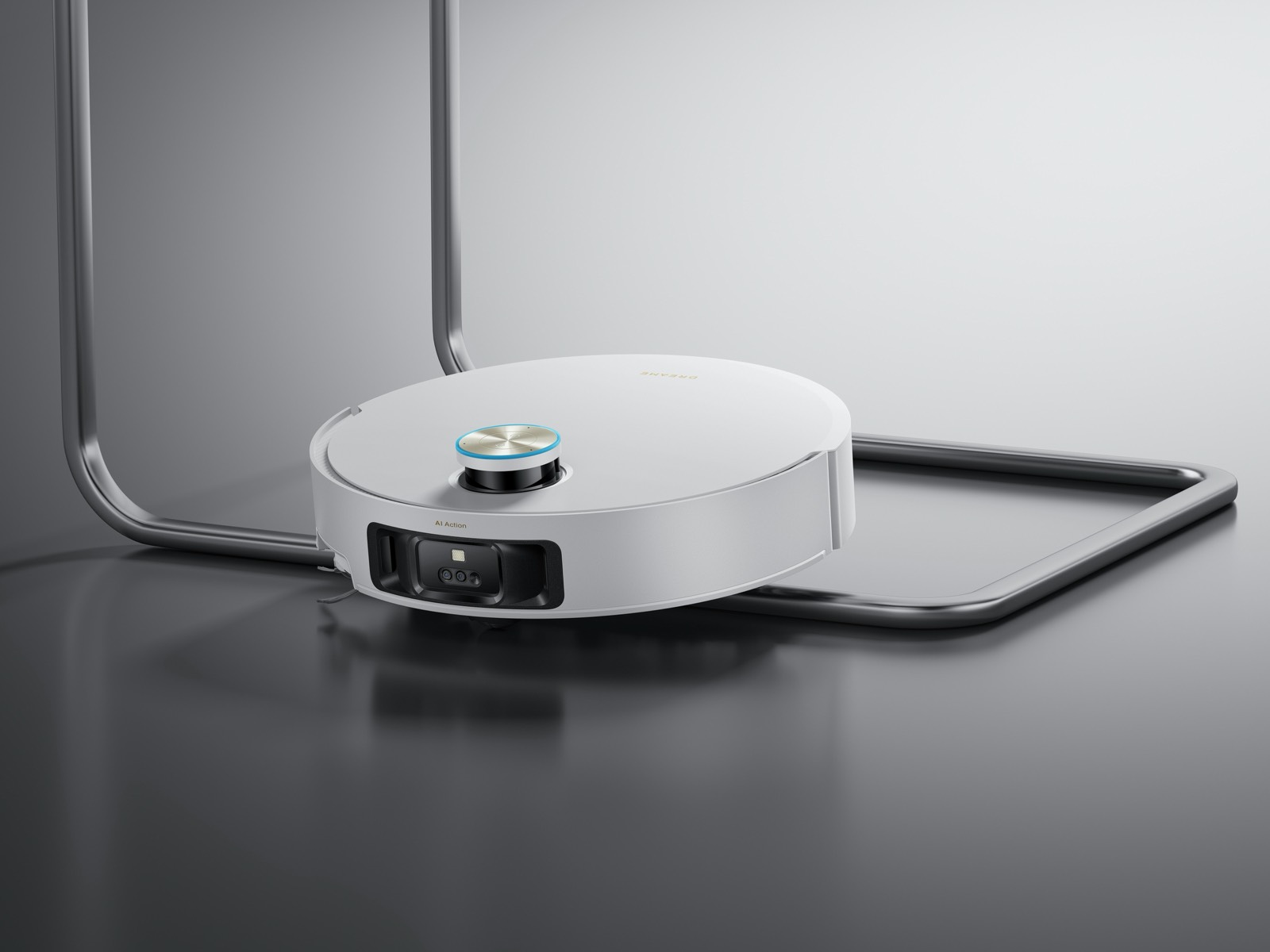
The 3 moments you recognize immediately
The impression that created intent… gets zero credit
Video, display, and creator content can be the first real push — but last-click reporting won’t recognize it.
The highest-intent shoppers stay anonymous
High-AOV buyers rarely convert on the first visit. If they leave without a reachable identity, you can’t recover them.
Budget decisions are forced to follow the wrong “answer”
When assist touchpoints are under-credited, spend drifts toward channels that look good short-term — not the ones that create demand.
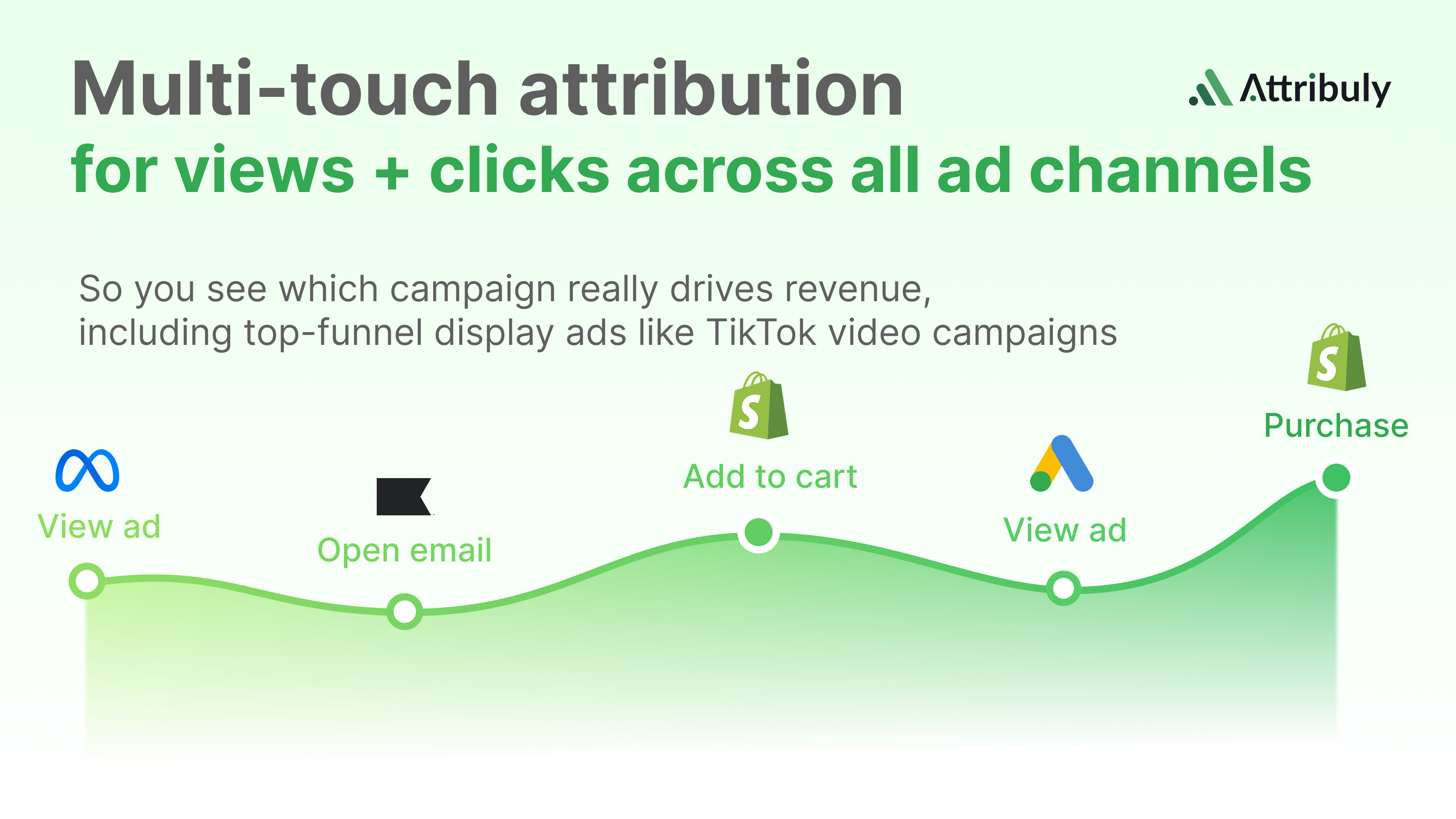
Why high-AOV is uniquely easy to misread
Because the journey is multi-touch by nature.
Shoppers revisit, compare, and switch devices before buying.
Assist touchpoints (video, display, creators) often aren’t the “final click,” but they’re the real driver of incremental conversions.
If you treat them as “ineffective,” you’ll keep reallocating budget away from what actually grows revenue.
What it feels like before measurement becomes reliable
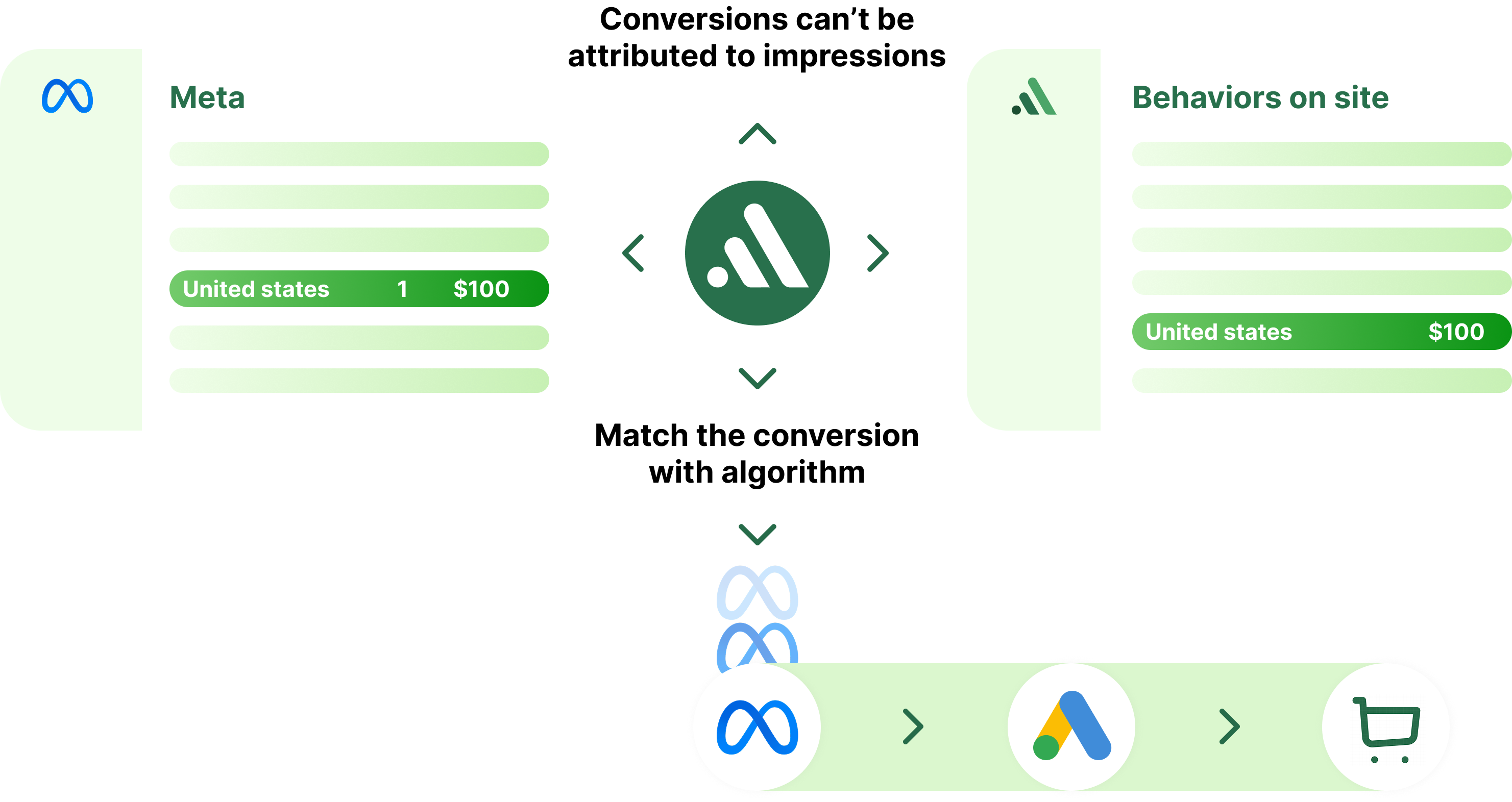
How Attribuly fixes it (in 4 steps)
1) Capture: make intent reachable
Enrich emails for high-intent anonymous visitors so you can actually follow up.
2) Server-Side Tracking: keep the journey intact
Use privacy-safe server-side tracking so your measurement doesn’t collapse under browser restrictions.
3) Full Impact: restore assist value
Quantify view-through and assist touchpoints so video/display/influencers stop being under-credited.
4) AllyClaw: turn insights into actions
Run a weekly budget loop: diagnose what’s working, scale what gains credit, cut waste with guardrails.
What changes after you implement it
Two case stories
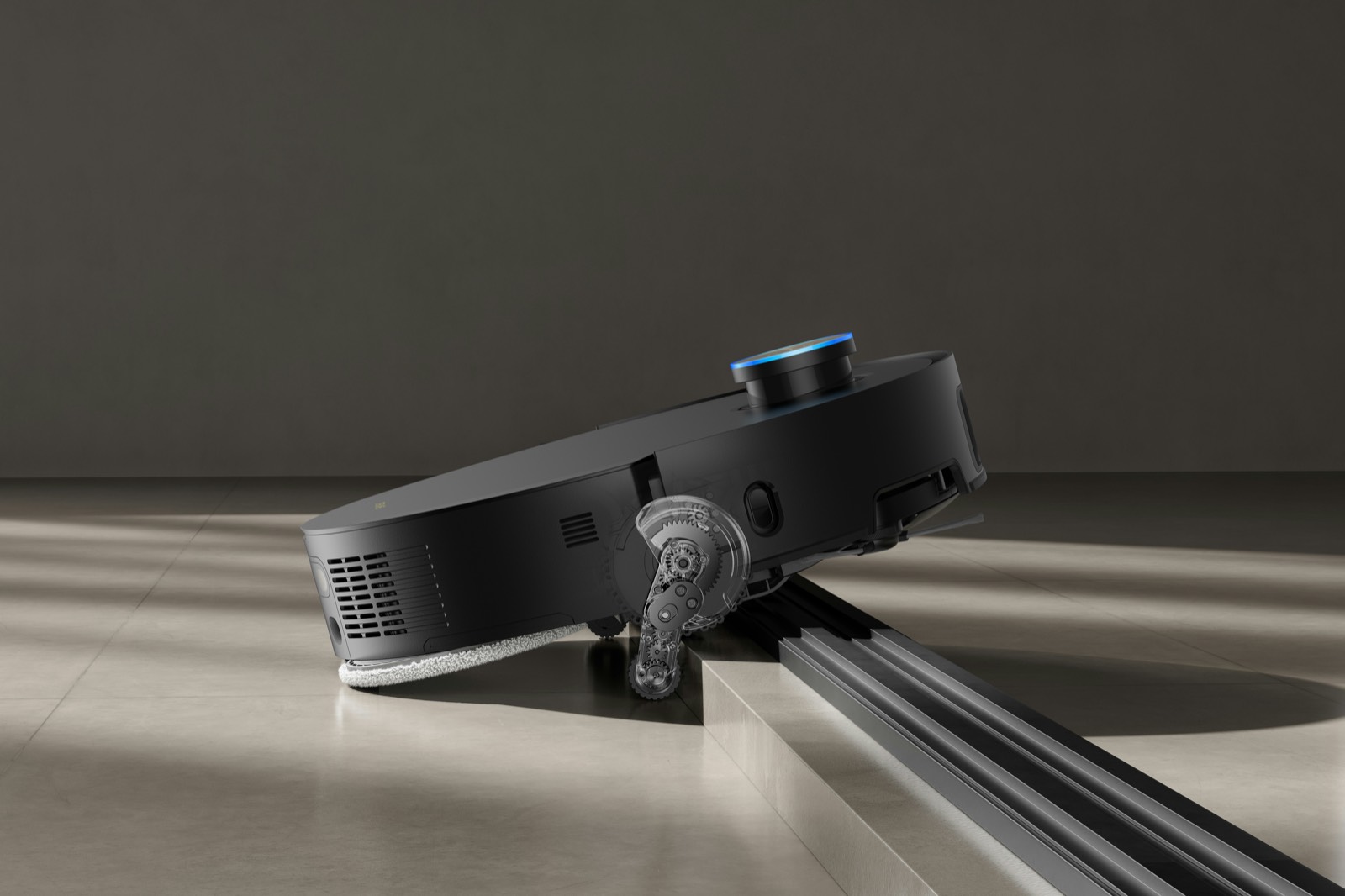
Case 1 — Smart cleaning device
- Capture: enrich emails for anonymous high-intent visitors.
- Full Impact: restore assist value for video/display.
- Conversion Feed: send richer identifiers to Meta/Google/Klaviyo.
- 1,200+ new valid emails per day.
- Remarketing CPA down 38%.
- Video budget share increased with stronger ROI.
- Create a high-intent audience tier (viewed product + add-to-cart).
- Feed View Product / Add to Cart / Purchase back to platforms.
- Compare Full Impact vs last-click weekly before reallocating budget.
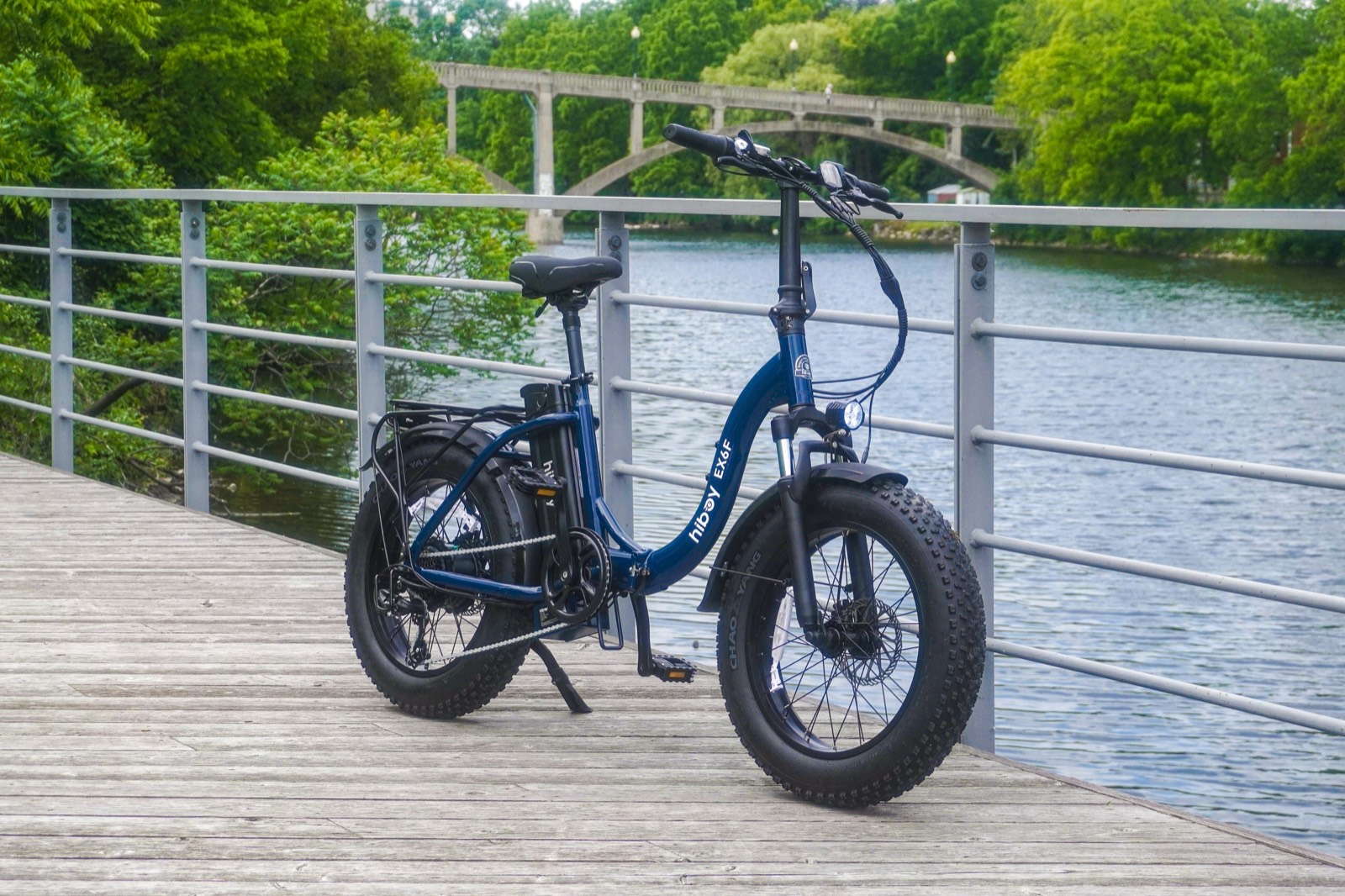
Case 2 — Electric mobility product
- Capture across browse and cart stages.
- Model comparisons: Position-based + Full Impact to clarify contribution.
- Event-level feeds to improve remarketing audience quality.
- 2,800+ high-quality emails captured per month.
- Remarketing contributed ~34% of total orders.
- Overall ROI improved after cutting low-efficiency spend.
- Use two models side-by-side to guide decisions, not one “truth.”
- Build segmented remarketing by intent tier.
- Review a weekly budget memo: scale/cut/test — and why.
Playbook checklist you can copy
- Verify event collection (View Product / Add to Cart / Purchase).
- Enable conversion feed with clean, deduped signals.
- Baseline model comparison (Full Impact vs last-click).
- Build high-intent audience tiers for remarketing.
- Launch segmented messages (browse vs cart vs repeat visitors).
- Identify channels under-credited by last-click.
- Reallocate budget with small experiments and guardrails.
- Run a weekly review loop with a written decision log.
- Document learnings and refine your best-performing loops.
FAQ
Ready to make high-intent visitors reachable?
Start with the checklist, then iterate with a weekly budget loop.